Pros and cons of buying a home in a flood zone
Is it a bad idea to buy a house in a flood zone? Not necessarily. Some of the most sought-after homes on the Central Coast, from beach houses in Capitola and Rio Del Mar to homes along creeks and sloughs, are in or near a flood zone. Buying a house in a flood zone can be a sound decision if you understand the flood risk, budget for flood insurance and know the home's flood history. The problems come from surprises: a flood insurance premium you did not expect, a lender requirement you learned about late, or damage the seller did not disclose.
The pros: homes near the water, creek or floodplain often have the views and setting buyers want most, and a home that is located in a flood zone may face less competition from buyers who rule them out. The cons: flood insurance costs, the chance of flood water damage and repairs, and possible limits on future changes to the home. The steps below help you buy a home in a flood zone with your eyes open.
How to tell if a property is in a flood zone: what A, V and X mean
The Federal Emergency Management Agency (FEMA) publishes Flood Insurance Rate Maps (FIRMs) that divide land into flood zones.
- Zones starting with A (such as A, AE and AO) are high-risk flood zones, also called Special Flood Hazard Areas. They have at least a 1% chance of flooding in any year, which is what people mean by the "100-year flood." Over a 30-year mortgage, FEMA notes that is about a one-in-four chance of a flood.
- Zones starting with V (such as VE) are coastal high-hazard areas, where storm waves add to the flood risk. Beachfront homes are most likely to be in a V zone.
- Zone X covers low-risk flood zones and moderate-risk areas, including the 500-year floodplain, which has about a 0.2% chance of flooding each year. Flood insurance is not required there, but floods still happen, and many flood insurance claims come from outside high-risk zones.
- Zone D means the flood risk has not been determined.
Look up any address on the FEMA Flood Map Service Center. The seller's natural hazard disclosure report will also say whether the home is in a Special Flood Hazard Area, and the base flood elevation for the zone shows how high water is expected to rise in a 100-year flood.
Flood insurance requirements and insurance costs
- When it is required. If the home is in a high-risk flood zone and your mortgage comes from a federally regulated or insured lender, flood insurance is required. Some lenders require it outside high-risk zones too.
- Home insurance does not cover flood damage. Flood coverage is a separate flood insurance policy, bought through the National Flood Insurance Program (NFIP) from your insurance agent, or from a private flood insurance company.
- Coverage limits. An NFIP residential policy covers up to $250,000 for the building and $100,000 for contents. Higher-value homes often add private excess flood coverage.
- Cost. Since FEMA's Risk Rating 2.0 pricing, NFIP premiums are based on each property's own flood risk, including its elevation, distance to water and the cost to rebuild. Get a quote for the specific home during your inspection period.
- Timing. A new NFIP policy generally takes 30 days to start, but there is no waiting period when you buy it together with a new mortgage. A seller can also transfer an existing flood policy to the buyer.
Ask for the seller's elevation certificate if one exists. It shows how high the home sits compared with the base flood elevation, and it can lower the cost of flood insurance.
Can you get a mortgage on a house in a flood zone?
Yes. Lenders make loans on homes in flood zones every day. In a high-risk flood zone, the lender orders a flood zone determination and will require proof of flood insurance before closing. Build the flood insurance premium into your monthly payment when you decide how much you can afford, and use the mortgage calculator to test the numbers.
How do you get a property out of a flood zone?
If a home sits on ground that is higher than the base flood elevation, the owner may be able to ask FEMA to remove it from the Special Flood Hazard Area:
- Letter of Map Amendment (LOMA). For a property on natural high ground that the map placed in a flood zone. It usually needs an elevation certificate from a licensed surveyor.
- Letter of Map Revision (LOMR). For changes to the map itself, such as new flood control projects, or to property raised with fill (LOMR-F).
If the seller already has a LOMA or LOMR, ask for a copy. If the home might qualify, a surveyor can tell you before you buy. Flood maps also change over time, so a home outside a flood zone today could be mapped into one later, and the reverse.
Flood risk in Santa Cruz and Monterey counties
Most flood zones here follow the ocean, rivers, creeks and sloughs: the beaches from Davenport to Moss Landing, the low parts of Capitola Village along Soquel Creek, the San Lorenzo River through Santa Cruz, the Pajaro River near Watsonville and Pajaro, the Salinas River and the Carmel River. Recent storms show the risk is real:
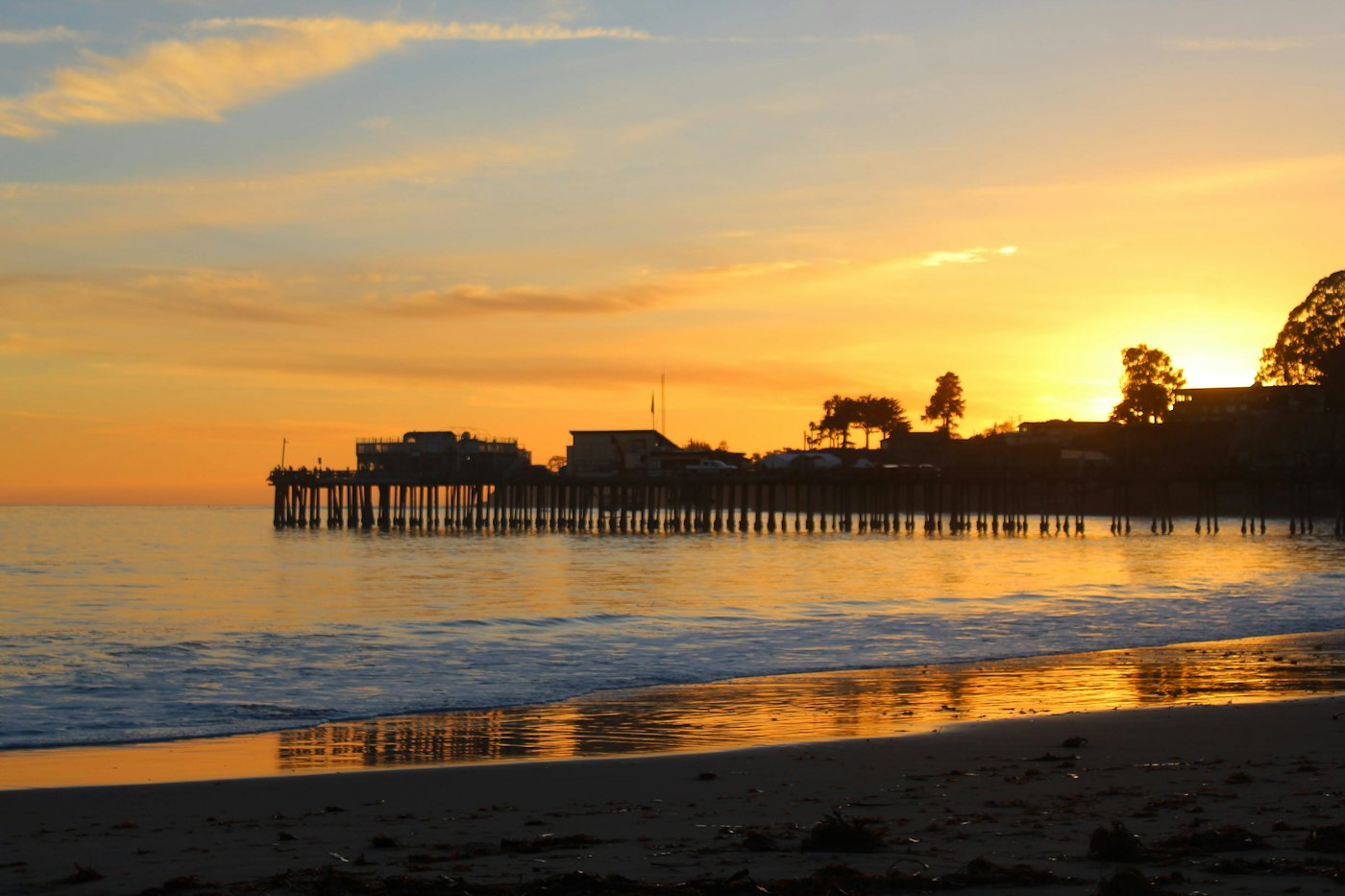
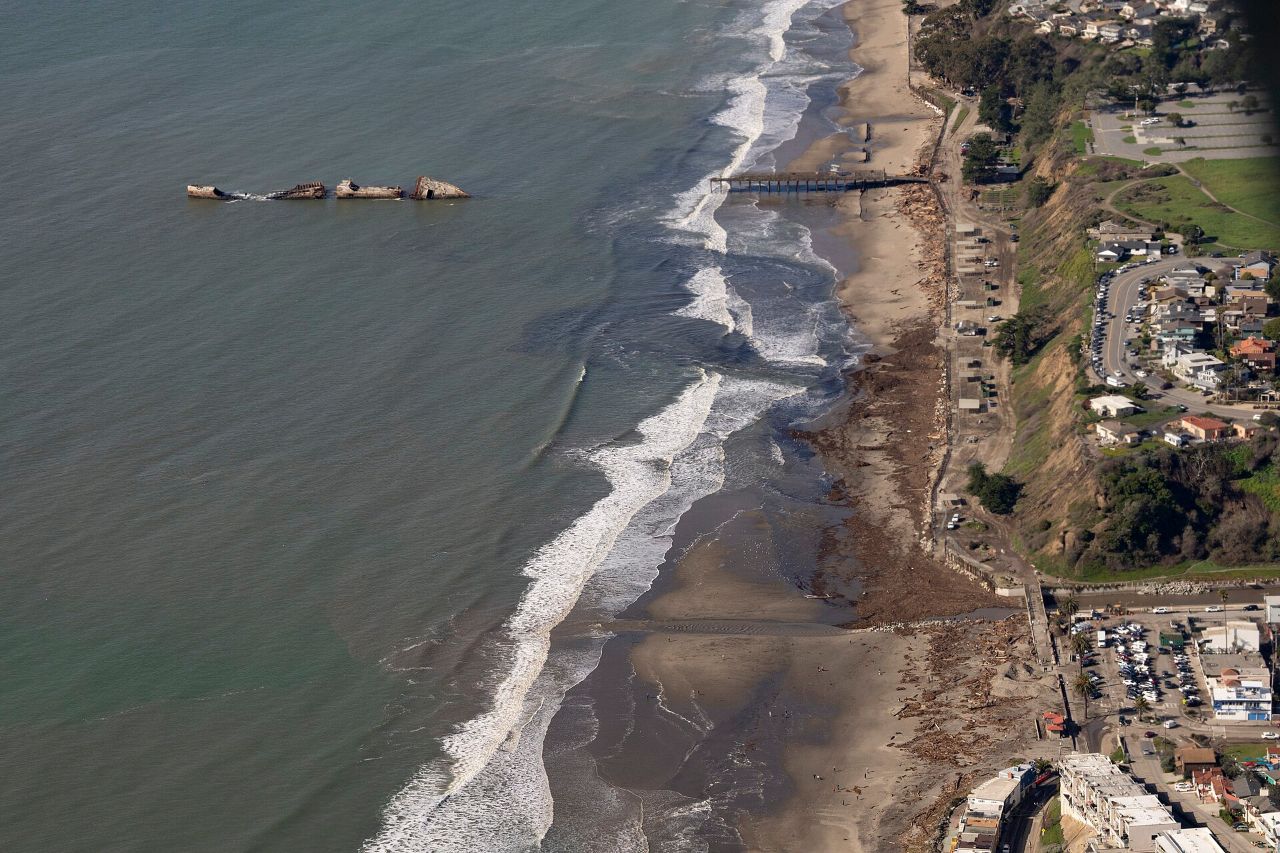
- On January 4, 2023, heavy surf and wind tore apart the historic Capitola Wharf and the pier at Seacliff State Beach, and ocean water flooded restaurants in Capitola Village.
- On March 10, 2023, a levee on the Pajaro River broke and flooded the town of Pajaro in Monterey County. A project of about $600 million, overseen by the U.S. Army Corps of Engineers, is rebuilding the levee system in phases to provide up to 100-year flood protection for Pajaro and nearby communities, including Watsonville. If you are looking in those areas, ask where the work stands near the home.
Coastal homes: the coastal zone and permits
California's Coastal Act covers a strip of land along the entire coast. In that coastal zone, development cannot start until a coastal development permit is issued, either by the California Coastal Commission or by a city or county with a Commission-certified local coastal program. The city or county planning department can tell you who issues permits for a given address.
- Ask whether past work on the home had a coastal permit, and get copies.
- If you plan to remodel, add on or rebuild, talk with the planning department or an architect who works on the coast before you remove your contingencies.
- For bluff-top homes, ask for any geologic or coastal engineering reports and how far the home sits from the bluff edge.
- For homes with a seawall or rock revetment, ask who owns and maintains it, whether it was permitted, and whether neighbors share the cost.
Checklist before buying in a flood zone
- Find the flood zone and base flood elevation on the FEMA map and in the natural hazard disclosure.
- Ask for the elevation certificate and any LOMA or LOMR.
- Ask about the home's flood history, repairs and insurance claims.
- Get a flood insurance quote, and a homeowners insurance quote, before you remove contingencies.
- Check drainage, grading, the foundation, any sump pumps, and whether utilities sit above expected flood levels.
- Ask how storms affect access to the home, such as the road or parking.
Many buyers decide the beach or the creek is worth it. The goal is to know the risk of flooding, the costs and the rules before you commit. If you are weighing a specific home, I can help you pull the flood zone, disclosures and history.
This guide is general information, not legal or insurance advice. Confirm flood zone, permit requirements and coverage with FEMA, the city or county and your insurance agent.